DSC Member Spotlight: Tessel Huibregtsen
9 March 2026
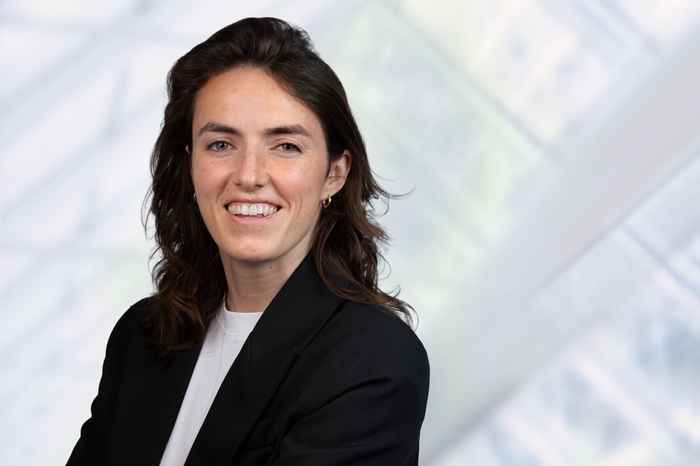
Can you tell us more about your role and how you apply data science to your projects?
In my PhD, I develop deep learning models for cardiac image and signal analysis. I incorporate different modalities such as electrocardiograms (ECG), echocardiography, cardiac MRI and EHR data to improve risk stratification and move towards more personalized patient care.
Is there a project from this past year that you are most proud of?
I started my PhD in September 2025 and am currently working on predicting 27 derived cardiac MRI parameters using only ECG data and basic patient metadata (sex, age and body surface area). I’m proud of our initial results in this project, which demonstrate that significant structural information of the heart is encoded within the ECG. This suggests that a simple ECG could be used to screen for structural cardiac abnormalities potentially leading to earlier diagnoses.
What do you like most about being a DSC member?
The variety of research topics within the DSC is very inspiring. It allows me to step out of the specialized world of medicine and see how similar data challenges are solved in other fields. This cross-disciplinary perspective is very valuable. It allows me to see my own technical challenges from different angles and to also look for solutions in completely different fields from my own.
What is your favourite data science method?
Deep learning. I find it fascinating how relatively simple architectures like CNNs or ResNets can extract a lot of clinical information from cardiac data that humans simply cannot see. Especially in the medical field, where a lot of data is being acquired but only a small subset of the information present in this data is being used, I believe deep learning could have a great impact in improving personalized care.
Are you camp Python/R/or something else?
100% Python.