Data Science seminar: Treatments for youth psychopathologies
How can single-case studies contribute to better understanding and treatment of youth problems? This seminar discusses a project that applied multilevel meta-analyses to single-case experiments across a range of youth problems and treatments, aimed at expanding the reach and impact of single-case research.
Event details from: Data Science seminar: Treatments for youth psychopathologies
- Date
- 29 September 2025
- Time
- 11:00 – 12:00
- Location
- Roeterseilandcampus - building B/C/D (entrance B/C), Nieuwe Achtergracht 166 1018 WV Amsterdam
- Room
- C5.00
About the seminar
Child and adolescent therapy research has tremendously evolved over the past six decades, with the development and testing of treatments for a broad range of youth psychopathologies such as anxiety and ADHD.
Traditionally, the effects of such treatments are investigated in randomized controlled trials comparing the mean scores of two different treatment groups. While such designs are useful to accumulate knowledge on a population level, the lack of attention for the individual presents a major drawback. Lately, single-case experimental designs have gained in popularity as within-person experiments, in which effects can be tested for one client, with a specific treatment in a specific context.
Alongside clinical goals, our project integrates rigorous data science methods. We will share the outcomes of the DSC’s Research Software Engineering Support program, which produced a JSON schema–based data entry and validation form deployed on UvA’s GitLab. The seminar will then conclude with a discussion of future data science needs for such projects, and questions from the audience.
Registration
Everyone is welcome to attend. A light vegetarian lunch will be provided to attendees after the seminar. Register now to secure your place!
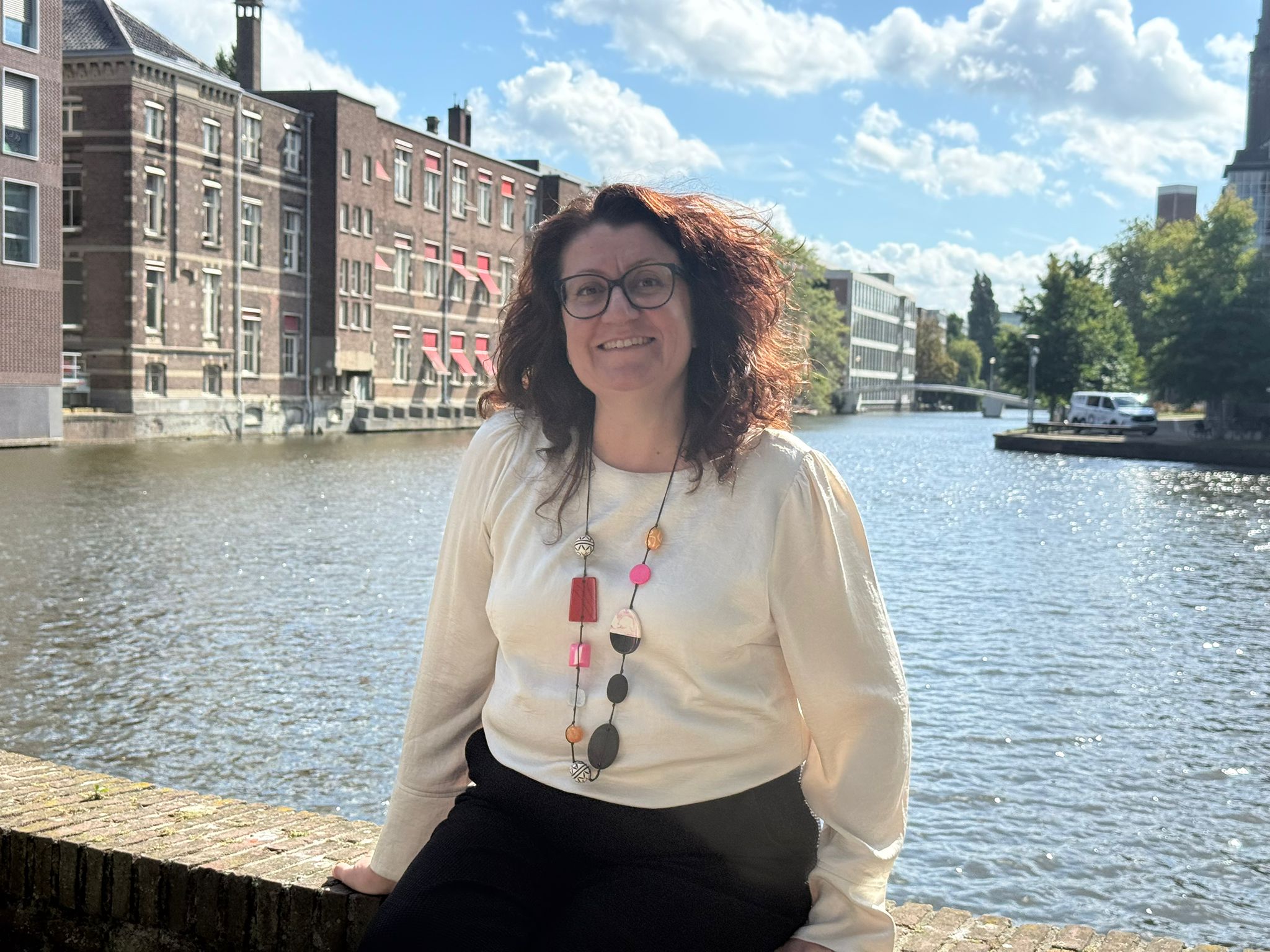
About the speaker
Marija Maric, PhD, is an associate professor in developmental psychopathology at the department of Child Development and Education, where she conducts single-case research on the effectiveness of youth treatments, mechanisms and moderators, and teaches in the area of youth interventions. Click here to read more about Marija.